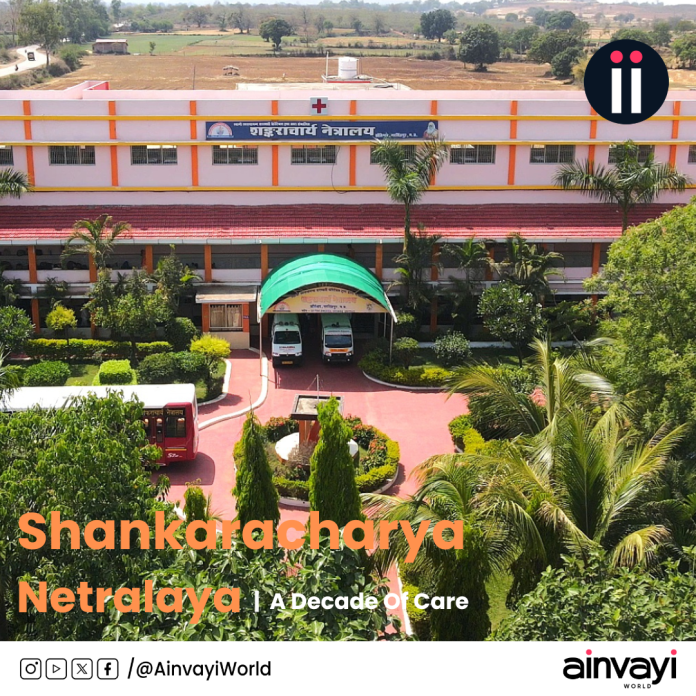

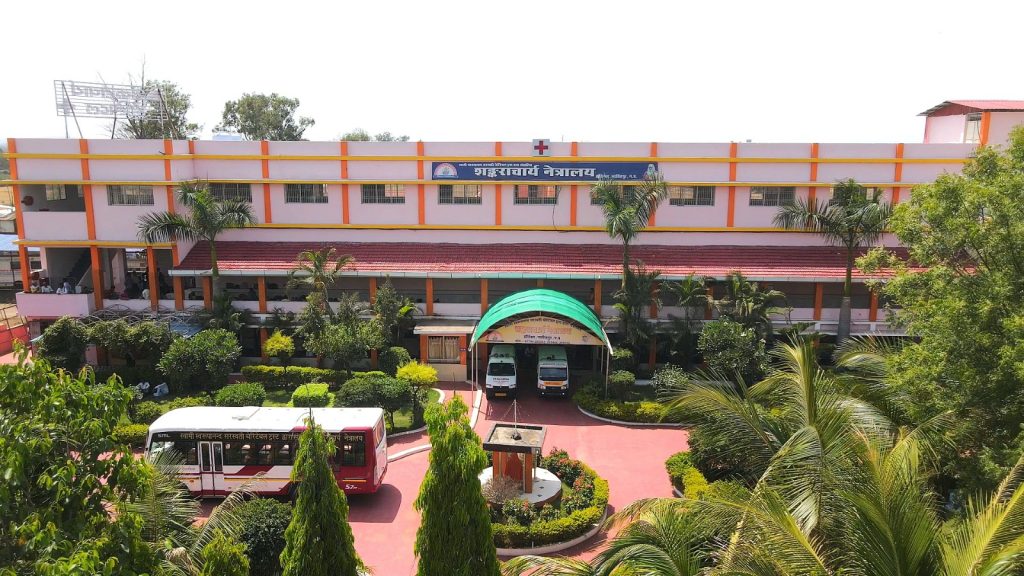
At a time when quality healthcare remains beyond the reach of many, especially in rural and economically vulnerable populations, Shankaracharya Netralaya has quietly built a reputation for putting people before profit. Since its establishment on June 7, 2013, the eye hospital in Narsinghpur, Madhya Pradesh has emerged as a lifeline for thousands suffering from preventable and curable health challenges.
Established under the guidance of the then Acharya, ‘Dwipeethadhishwar Jagadguru Shankaracharya Swami Swaroopanand Saraswati Ji Maharaj’, Shankaracharya Netralaya is run by the Swami Swaroopanand Saraswati Charitable Trust, which was also formed under his direction. The eye hospital continues its work under the guidance of ‘Paschimaamnaay Dwarka Sharda Peethadhishwar Jagadguru Shankaracharya Swami Shri Sadanand Saraswati Ji Maharaj’, carrying forward the legacy rooted in the age-old Indian philosophy of ‘seva’.
What sets Shankaracharya Netralaya apart is its tradition of spiritual wisdom aligned with social responsibility. The board of trustees that includes the Acharyas of Dwarka Sharada Peeth and Jyotish Peeth, both established by Adi Shankaracharya, along with several other religious leaders, and experienced professionals, ensure that the eye hospital remains faithful to its founding ideals of compassion, dignity, and service to those most in need.
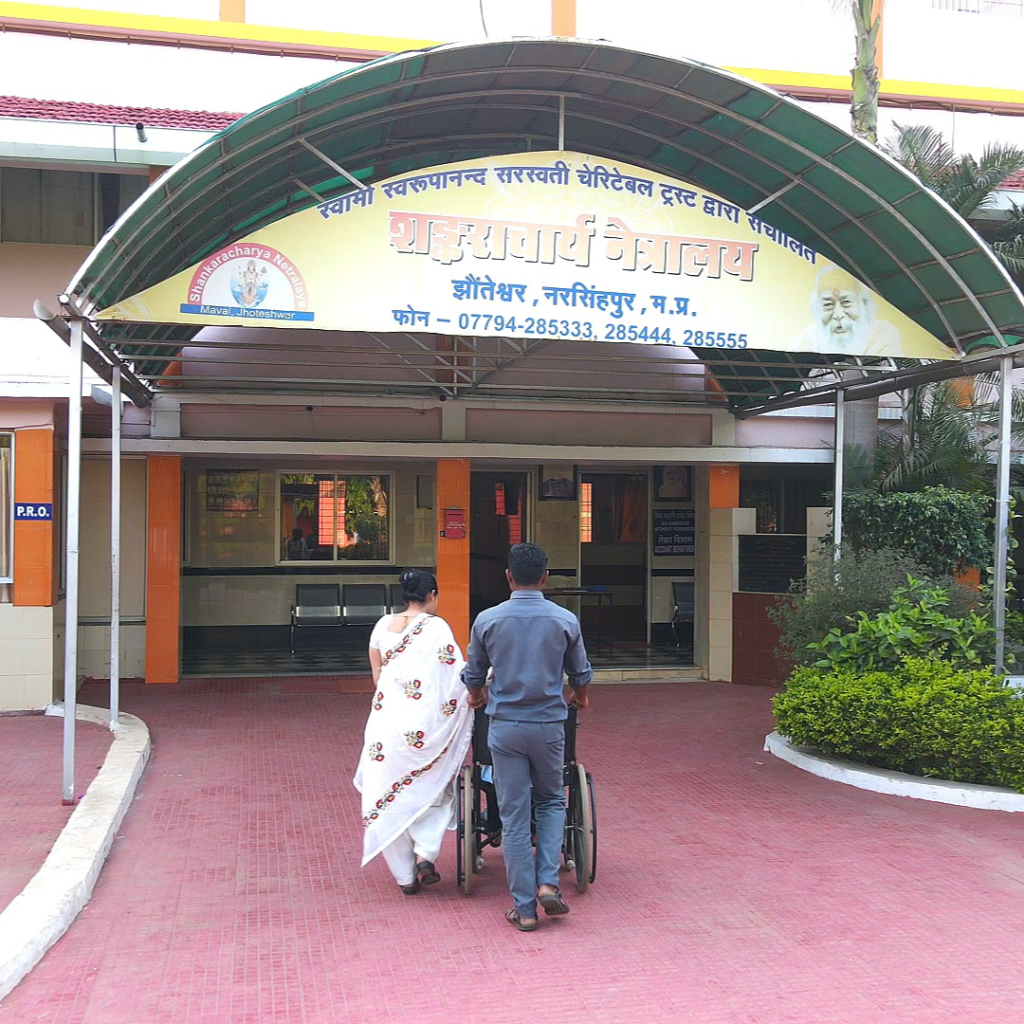
“We are committed to ensuring that financial hardship does not decide who receives care. A large majority of patients are treated without charge, while others receive services at highly subsidised rates, allowing individuals from modest backgrounds to access the same standard of treatment as any paying patient,” emphasizes Anand Tiwari, Director, Shankaracharya Netralaya.
For over a decade, Shankaracharya Netralaya has focused its efforts on addressing avoidable blindness—an affliction that continues to affect millions worldwide despite being largely preventable.
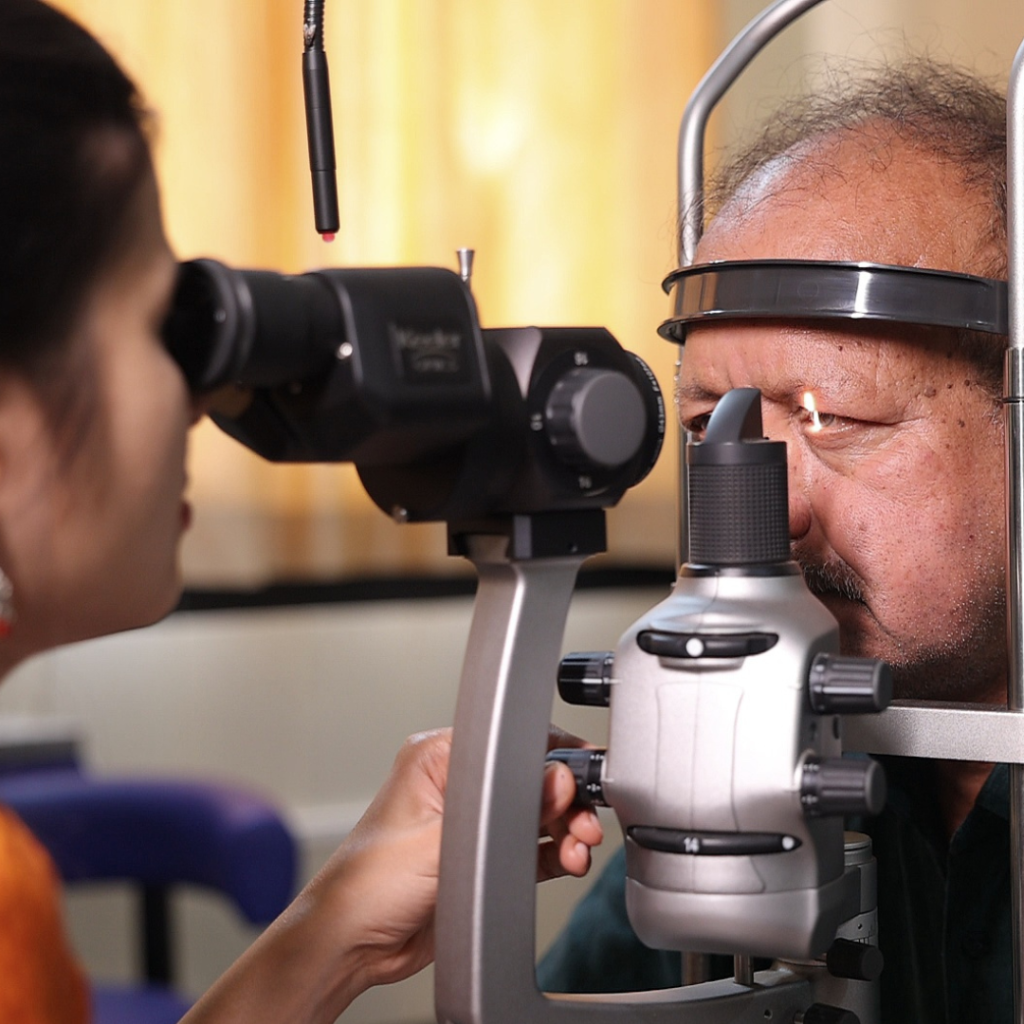
The eye hospital, which has earned NABH-affiliation, provides a comprehensive range of ophthalmic services, including cataract surgeries, glaucoma management, and advanced retinal treatments. It is equipped with advanced ophthalmic infrastructure, including modern operating theatres, high-precision diagnostic equipment, and specialised surgical systems.
Its work, however, extends well beyond the hospital premises. Through a sustained outreach programme, Shankaracharya Netralaya takes quality eye care to rural and tribal regions where vision-related ailments often remain untreated due to geographic isolation, limited transport, low awareness, and financial constraints.
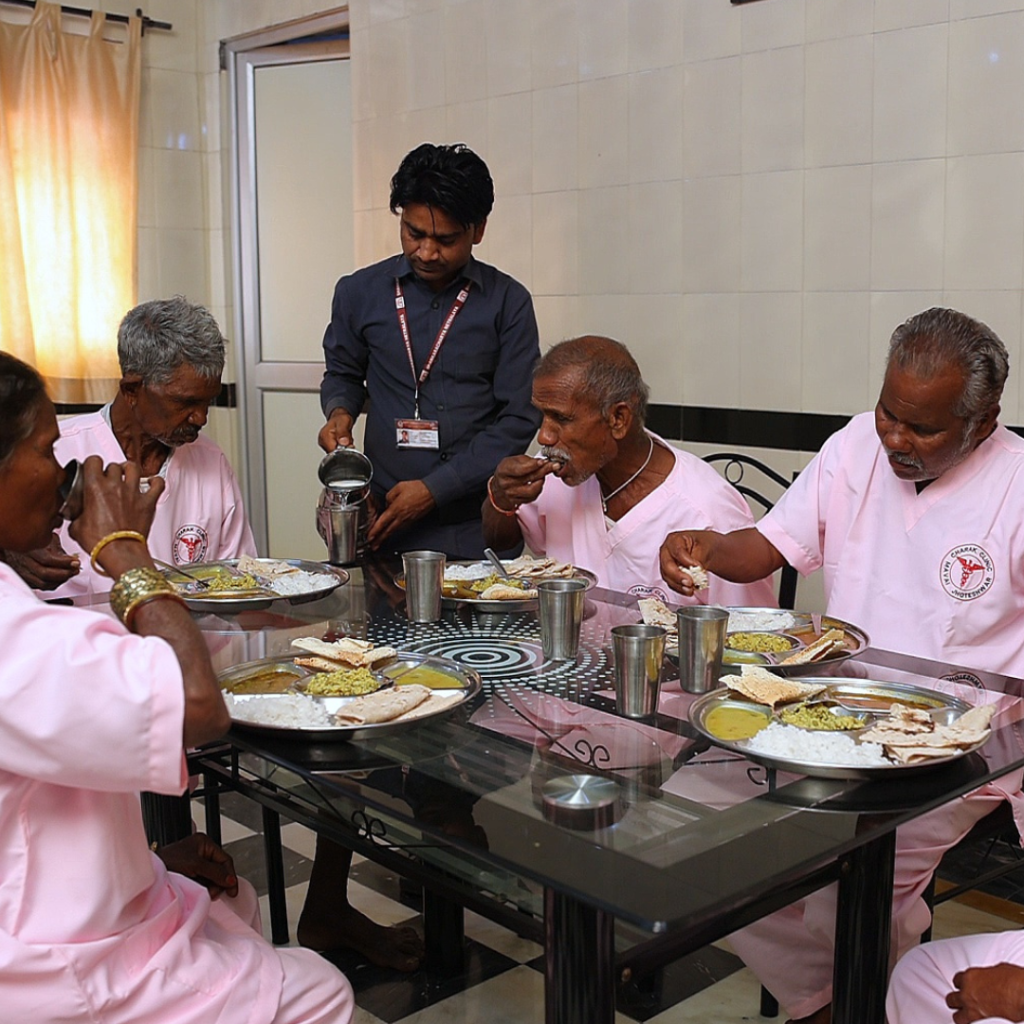
As part of this outreach, Shankaracharya Netralaya has organised more than 1,750 free eye check-up camps across Narsinghpur and neighbouring districts over the past decade. These camps enable early detection and timely intervention, particularly in the cases of cataracts. Patients requiring further intervention are provided free transportation to the hospital, receive complete treatment and comfortable recovery without any financial burden.
Hospital data indicates that more than 3.15 lakh patients have received consultations to date, and more than 85,000 successful surgeries have been performed. For many elderly beneficiaries, who had come to accept sight loss as a part of life, restored vision has meant a return to social participation, everyday routine, and restored independence—outcomes that underline the broader social impact of accessible healthcare.
“At the heart of our hospital’s efforts is a dedicated team of ophthalmologists, medical officers, nurses, paramedics, and support staff who regard healthcare not merely as a profession, but as a responsibility. Patients are treated with empathy and respect, irrespective of their socio-economic background,” says Anand Tiwari.
He also acknowledged the role of donors and well-wishers who have sustained the institution through challenging periods, including the COVID-19 pandemic and phases of financial constraint.
“Our journey has been strengthened by support from spiritual institutions, public sector institutions, corporate donors, charitable trusts, and individuals from across the country. These contributions have helped us build operation theatres, procure advanced medical equipment, facilitate patient transport, and continue free treatment for the underprivileged patients,” he noted.
Building on its experience, Shankaracharya Netralaya is now extending its work beyond ophthalmic care. Preparations are underway to establish a 100-bed multi-speciality hospital that will offer services in cardiology, gynaecology, orthopaedics, neurology, paediatrics, and emergency care.
The expansion is intended to respond to the persistent gap in accessible and affordable healthcare, particularly in regions where the absence of nearby medical facilities often results in delayed treatment and preventable complications. Ensuing this initiative, Memorandums of Understanding have been signed with nine districts across Madhya Pradesh to strengthen healthcare outreach and improve access to essential medical services.
As healthcare challenges continue to disproportionately affect rural and economically vulnerable populations, institutions such as Shankaracharya Netralaya highlight the role of sustained community support, ethical leadership, and inclusive outreach in building accessible and humane healthcare systems that treat every patient with dignity and care.